
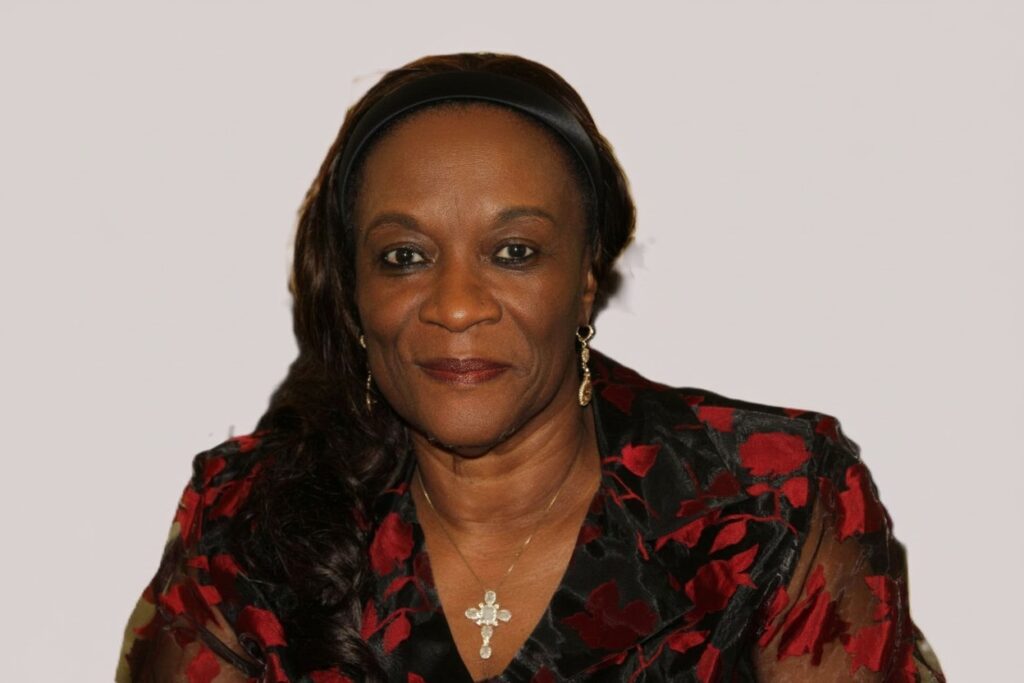
By Stella Ngozi Mbubaebu CBE, Founder at Black Leadership Group
Summary
Across Britain, five generations now work side by side, bringing different life experiences, communication styles, and cultural expectations to enrich the workplace. At the same time, ethnic diversity is arguably one of the country’s greatest social and economic assets.
Making the most of ethnic and multigenerational diversity requires human interaction that is grounded in trust, empathy, and active listening. Drawing on the work of the Black Leadership Group (BLG), Five: Generations at Work by Rebecca Robins and Patrick Dunne, and Antiracism: A Critique by John Solomos, this article explores how embedding anti-racist practice and intergenerational collaboration can improve employability professionals’ daily interactions in diverse contexts leading to better experiences and outcomes for all ethnicities.
A Moment for Human Connection
Human interaction is not a ‘soft skill’. It is the foundation of positive outcomes in the workplace. A data dashboard might identify a gap, but a conversation closes it. When practitioners take time to really listen, they uncover patterns of exclusion that rarely appear in statistics: the applicant told they are ‘not quite the right fit’, the young person transitioning between home and workplace culture.
Dialogue that is both relational and radical, recognises that equity is achieved not only through structures but through everyday acts of recognition, empathy, and advocacy. John Solomos, in Antiracism: A Critique (2022), reminds us that anti-racism cannot survive as slogan or sentiment alone; it must live in the continuous process of dialogue and action. He writes that the challenge is to “develop conversations about how we can move forwards in terms of policy and political agendas that tackle racialised inequalities and divisions.”
Anti-Racism Benefits Everyone
The BLG frames anti-racism not as opposition, but as opportunity: anti-racism benefits everyone. This is a crucial mindset shift. The same interactional practices that remove barriers for Black* people, listening, reflection, co-design, also make workplaces more collaborative, creative and adaptive for all ethnicities and generations.
Solomos cautions that anti-racist work often falters when institutions rely on statements rather than transformation. It is easy to ‘celebrate diversity’ but harder to change patterns of power. Shifting from the merely performative requires what the BLG calls intentional human connection – time, trust, and courage to move from non-racist to anti-racist behaviour. It also requires learning together across generations and cultures and deepens mutual understanding and resolve.
In Five: Generations at Work (2024), Robins and Dunne echo the need for human renewal, quoting Einstein’s prediction that society would one day require a “quantum leap in human relations.” They argue that with five generations now in the workforce, we must move from an ‘Other’ to a ‘Together’ mindset—combining talents and perspectives to conquer global challenges and to do good.
Five Generations, One Conversation
The coexistence of Baby Boomers, Generation X, Millennials, Generation Z, and Generation Alpha is reshaping what ‘diversity’ means. Intergenerational inclusion is not a side note to ethnicity. For instance, older employees may carry memories of overt discrimination, while younger ones encounter subtler but persistent biases in hiring and progression. Both experiences matter, and both are best understood through dialogue.
Robins and Dunne write, “We are five generations at work. This is how we win together, for good.” The phrase ‘for good’ can be read not only as permanent change but as a call to do good, to build workplaces that actively generate fairness and purpose. This depends on our ability to translate differences in language, technology, and life stage into collective strength. In practical terms, that means:
At the BLG’s 2025 annual conference, participants described the moment they felt ‘seen’ not just as professionals but as whole people. This captures the heart of intergenerational, anti-racist practice. Another participant said, “I realised my job isn’t to fix people; it’s to walk alongside them…”
From ‘Other’ to ‘Together’
Human interaction is where cultural intelligence grows. Robins and Dunne urge organisations to replace competition with collaboration, reminding us that “This is not a zero-sum game. Because it is not a game.” In employability terms, this means understanding that progress for one group need not come at another’s expense; inclusion raises everyone’s ceiling.
For advisers and leaders, the shift from ‘Other’ to ‘Together’ is practical. It shows up in micro-behaviours: who we greet first in a meeting, whose ideas we build upon, who receives feedback with care and who receives it as criticism. These moments either perpetuate inequity or dismantle it.
Anti-racist interaction also recognises that ethnicity, age, gender, and class overlap. A young Black* woman entering a new field faces both gendered and racialised assumptions; an older Black* man displaced by automation, faces cultural as well as technological barriers. Meeting these individuals as equals requires humility and the willingness to adapt communication styles, not expecting others to fit a preset mould.
Great Interactions
Across employability and leadership settings, transformative interactions from a Black* perspective could look like this:
- Begin with belonging. Ask open questions that invite the person’s story: “What would feeling at home here look like for you?” Belonging begins when people feel seen and heard before being helped.
- Name the system, not the self. Rather than “You need to blend in more,” try “Let’s look at how this workplace reads blending in—and whether that is fair.” It shifts responsibility from the individual to the culture.
- Use strengths language. Help people articulate their value. Representation alone is insufficient if voice and agency are absent.
- Design the next small win. Co-create a tangible step that builds momentum and accountability.
- Close with advocacy. Where barriers are structural, don’t send the person back to ‘try harder’. Use influence to adjust the system.
These actions may sound simple, but they require emotional literacy, racial awareness, and institutional support. As the BLG’s From Generation to Generation Conference Summary 2025 argues, quality interaction must be resourced as seriously as outcomes. Caseload pressures or algorithmic screening cannot replace empathy.
Technology and Touch
The digital transformation of Employability services has brought enormous potential for reach and personalisation. However, it risks reducing people to profiles. As one BLG event participant warned, “We must code the humanity in.” Algorithms trained on biased data will replicate those biases unless designed by teams diverse in both identity and thought.
Here again, intergenerational collaboration is key. Younger professionals often bring digital fluency; older ones contribute context and caution. Together they can design systems that balance efficiency with equity. The goal is not technology instead of touch but technology that enhances touch, freeing humans to do what only humans can do: connect, interpret, and care.
Beyond Awareness to Structure
Solomos cautions that anti-racist initiatives often “evaporate into goodwill” unless translated into governance and accountability. In employability, that means embedding equity into commissioning, supervision, and performance frameworks. Not leaving it to champions alone.
Sustaining inclusion might include:
- Intergenerational governance, ensuring policy and service design reflect voices from every age and ethnicity.
- Brave space forums embedded into professional development where discomfort is expected, not avoided, because growth requires it.
- Reciprocal mentoring tracked and rewarded for impact, not participation.
- Equity metrics focused on access to and take up of opportunities, for example, stretch assignments, sponsorship, and progression, moving beyond performative box ticking of attendance at training.
- Racial literacy and trauma-informed practice as core competencies for practitioners.
- Reciprocal mentoring: pairing across age and ethnicity so learning flows both ways.
- Shared stories: structured opportunities to share personal experiences that build empathy, value and normalise difference.
These mechanisms would support and accelerate action towards a sustainably fair and equitable organisational culture.
The Quantum Leap in Human Relations
Einstein’s ‘quantum leap in human relations’ captures exactly what the Employability sector faces. Technology is advancing exponentially; human connection must keep pace. If we are to make the most of an ethnically and generationally diverse Britain, our relational intelligence must expand just as rapidly as our digital intelligence.
That leap begins in conversation: in the adviser who reframes rejection as an opportunity to build resilience, the manager who sponsors unseen talent, the policymaker who builds time for empathy into contracts. These are acts of design as much as compassion. As Robins and Dunne conclude, “The complexity of our times demands better connected and more cohesive organisations – where difference is not only valued, but has safe spaces to debate, collaborate and co-create.” That sentence could easily describe the ideal Employability service: connected, cohesive, and courageous enough to let difference drive innovation.
Five Commitments for Employability Leaders
- Resource human connection. Build caseload models and contracts that allow time for genuine dialogue.
- Make brave spaces routine. Create monthly forums for reflection, learning, and challenge.
- Institutionalise reciprocal mentoring. Track learning outcomes and publicise culture shifts.
- Embed anti-racism into digital design. Conduct bias audits, publish results, and invite community review.
- Model intergenerational allyship. Leaders at every level should sponsor at least one person from a different generation and ethnic background each year.
These are not add-ons. They are essentials for an inclusive labour market capable of renewal.
From Intent to Legacy
If Solomos reminds us that anti-racism requires sustained political will, Robins and Dunne show that collaboration across generations can generate that will. The BLG adds the practical bridge: turning awareness into action through Anti-Racist Thought and Action® (ARTA), a framework that connects belief to behaviour.
Legacy, in this context, is collective. As one BLG conference participant reflected, “Legacy is a team sport.” We build it through interactions repeated daily, multiplied across thousands of conversations that make people feel seen and valued. The future of Britain will not be written by advances in science and technology alone but also by the quality of human exchanges.
To borrow the closing sentiment from Five: Generations at Work, “Our call to action is simple: spread the word, adopt those ideas which are relevant to your own context, and pioneer new ways of combining the talents and perspectives of the generations working in your own organisations.”
This invitation extends to every adviser, coach, policymaker, and leader shaping Employability today. Because anti-racism and intergenerational collaboration are complementary routes to the same destination: a fair, vibrant, and human future of work. One that endures for good and exists to do good, where all can be supported to achieve their potential and contribute to society.
Notes
A ‘generation’ is all the people born and living at about the same time, regarded collectively… It is also a synonym for birth/age cohort in demographics, marketing, and social science, where it means ‘people within a delineated population who experience the same significant events within a given period of time.” Wikipedia.
In popular usage, ‘Generation’ refers to:
Baby Boomers: 1946–1964
Generation X: 1965–1980
Millennials: 1981–1996
Generation Z: 1997–2010
Generation Alpha: 2010–2024
Ethnically diverse companies perform better – research continues to show that businesses with diverse teams outperform those with less diversity. Source: McKinsey & Company, Diversity Matters Even More: The Case for Holistic Impact, 3 December 2023.
Economic potential of full representation – “The potential benefit to the UK economy from full representation of BME individuals across the labour market—through improved participation and progression—is estimated to be £24 billion a year, equivalent to 1.3% of GDP.” Source: Race in the Workplace: The McGregor-Smith Review.
Graduate outcomes and pay disparities – a majority of graduates from Black heritage groups have lower average earnings than their White peers one, three, and five years after graduation. Source: Office for National Statistics (ONS).
Employment rate gap — employment rates for people of Black heritage are lower than for their White peers across all qualification levels. Source: Office for National Statistics (ONS).
Racism in the workplace – 86% of young people of Black heritage have heard or witnessed racist language in the workplace. Source: YMCA, Young & Black, October 2020.
References
Black Leadership Group (2025). Conference Summary Report: From Generation to Generation – Anti-Racist Thought & Action®.
Black Leadership Group (2025). Main Keynote: Making the Most of an Ethnically Diverse Britain.
John Solomos (2022). Antiracism: A Critique. Cambridge: Polity Press.
Rebecca Robins & Patrick Dunne (2024). Five: Generations at Work – How We Win Together, for Good. Chichester: Wiley.